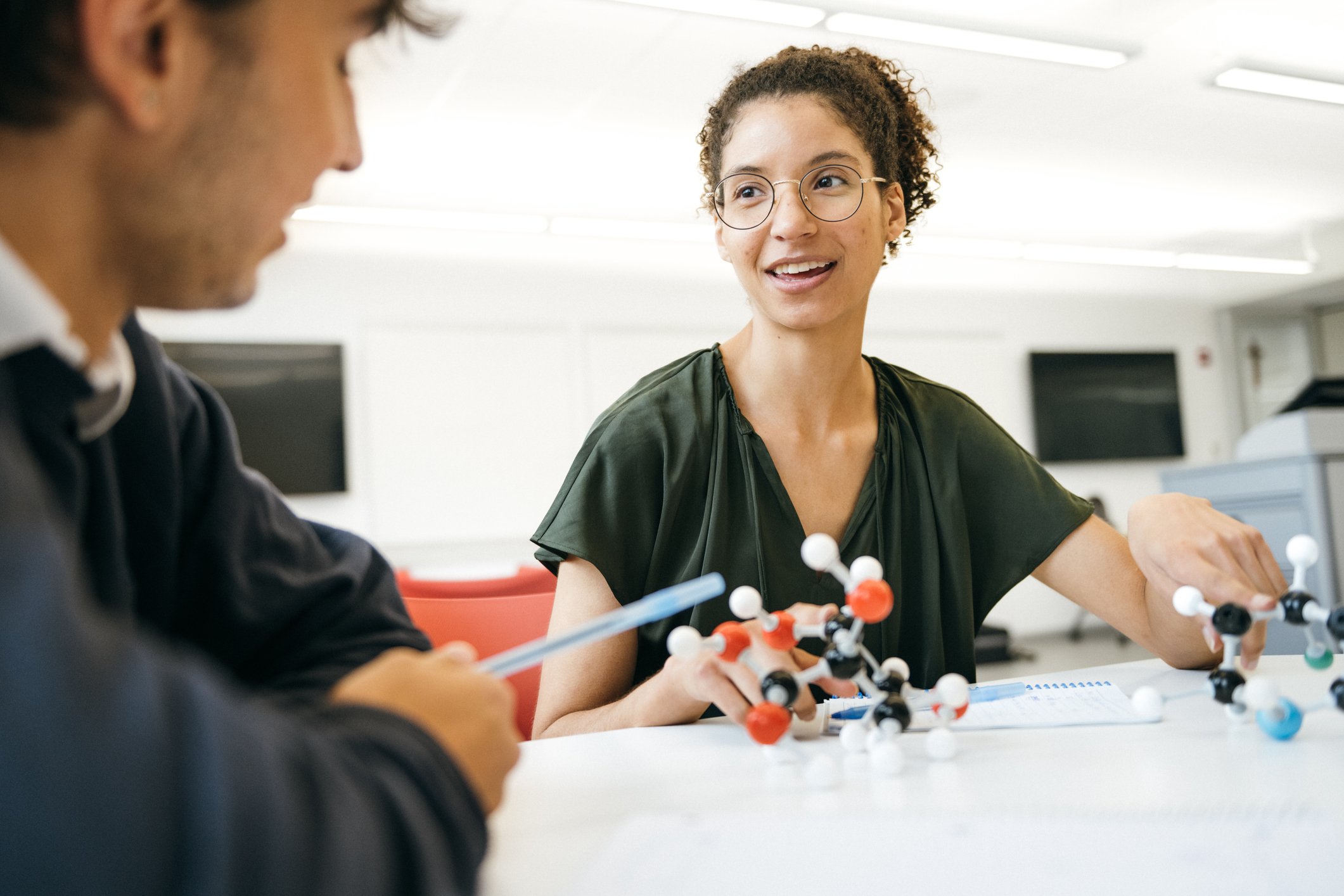
What is the role of a molecular biologist?
Molecular biologists are experts in the field of biology, specializing in the study of cellular and molecular processes at the genetic level. Their primary responsibility is to conduct research and experiments to understand the structure, function, and regulation of genes and proteins. molecular biologists contribute to advancements in biotechnology, genetics, medicine, and various other scientific fields.
Ready to take the next step?
Apply now for a job as a molecular biologist
Key Account Manager
Location: Ontario
hrs a week: 40 hrs a week
Closing: January 17, 2027
Docteur en médecine vétérinaire (DMV) - Doctor of Veterinarian Medicine (DVM)
Location: Trois-Rivières
hrs a week: 40 hrs a week
Closing: January 13, 2027
Business Development Manager
Location: Oakville
hrs a week: 40 hrs a week
Closing: January 13, 2027
Registered Pharmacy Technician
Location: Calgary
hrs a week: 40 hrs a week
Closing: January 06, 2027
Jr. Transportation Coordinator
Location: Kitimat
hrs a week: 40 hrs a week
Closing: January 06, 2027
Electrical and Instrumentation Inspector
Location: Pickering
hrs a week: 40 hrs a week
Closing: January 06, 2027
Business Development Manager
Location: Oakville
hrs a week: 40 hrs a week
Closing: January 06, 2027
Protein Category Manager
Location: Amherst
Closing: January 05, 2027
Veterinarian
Location: Ontario
hrs a week: 20 hrs a week
Closing: January 05, 2027
Veterinarian DVM
Location: Fort Mcmurray
hrs a week: 40 hrs a week
Closing: December 28, 2026
What do molecular biologists do?
Molecular biologists are involved in various essential tasks to advance our understanding of biological processes and develop innovative solutions. They collaborate with interdisciplinary teams, including geneticists, biochemists, biotechnologists, and medical researchers, to explore and uncover molecular mechanisms related to specific biological phenomena.
Molecular biologists design and perform experiments, such as DNA sequencing, polymerase chain reaction (PCR), gene cloning, and gene expression analysis. Through these experiments, they aim to elucidate the functions of genes and the interactions between proteins, as well as their roles in health and disease.
Additionally, they play a key role in genetic research, studying gene mutations and variations to identify their implications for diseases and genetic disorders. They also work on understanding the molecular basis of drug responses and interactions, which is vital for the development of personalized medicine.
Furthermore, molecular biologists contribute to advancements in biotechnological applications, such as genetic engineering, synthetic biology, and gene editing techniques like CRISPR-Cas9. Their work helps to develop new therapeutic strategies, enhance agricultural practices, and address environmental challenges.
What are the required skills for a molecular biologist?
To excel as a molecular biologist, individuals must possess an array of skills. Strong analytical and problem-solving abilities are essential for designing experiments, analyzing complex data sets, and interpreting molecular interactions. Excellent communication skills are necessary for collaborating with interdisciplinary teams, presenting research findings at conferences, and publishing scientific papers.
In-depth knowledge of molecular biology principles, genetics, genomics, and bioinformatics is vital for conducting advanced research and interpreting molecular data accurately. Laboratory techniques such as DNA and RNA extraction, gel electrophoresis, gene cloning, and PCR are also fundamental skills for conducting experiments in molecular biology.
In addition, strong attention to detail and organization skills are crucial for maintaining accurate records, managing laboratory resources, and adhering to safety protocols in the laboratory.
Where do molecular biologists work?
Molecular biologists can find job opportunities in various sectors, including academic institutions, research laboratories, pharmaceutical companies, biotechnology firms, and government agencies. They may also work in healthcare settings, contributing to medical research and diagnostics.
Common molecular biologist responsibilities
Lead and collaborate with interdisciplinary teams in molecular biology research projects;
Design and perform experiments to study gene functions, protein interactions, and genetic variations;
Analyze complex molecular data to gain insights into biological processes;
Contribute to genetic research and identify implications for diseases and genetic disorders;
Contribute to biotechnological applications, such as genetic engineering and gene editing techniques;
Stay informed about the latest advancements in molecular biology, bioinformatics, and bioanalytical techniques;
Communicate effectively with colleagues and stakeholders to drive molecular research and innovation.
Qualifications for molecular biologists
To become a molecular biologist, candidates should possess at least a Bachelor's degree in molecular biology, genetics, biotechnology, or a related field. Advanced degrees (Master's or Ph.D.) in molecular biology or a related discipline are highly advantageous.
Other essential qualifications include:
- 2-4+ years of experience in molecular biology research or related fields;
- In-depth knowledge of molecular biology principles, genetics, and genomics;
- Strong analytical and problem-solving skills;
- Excellent verbal and written communication abilities;
- Attention to detail and organization skills;
- Proficiency in laboratory techniques used in molecular biology;
- A passion for advancing biological knowledge and contributing to scientific innovation.